

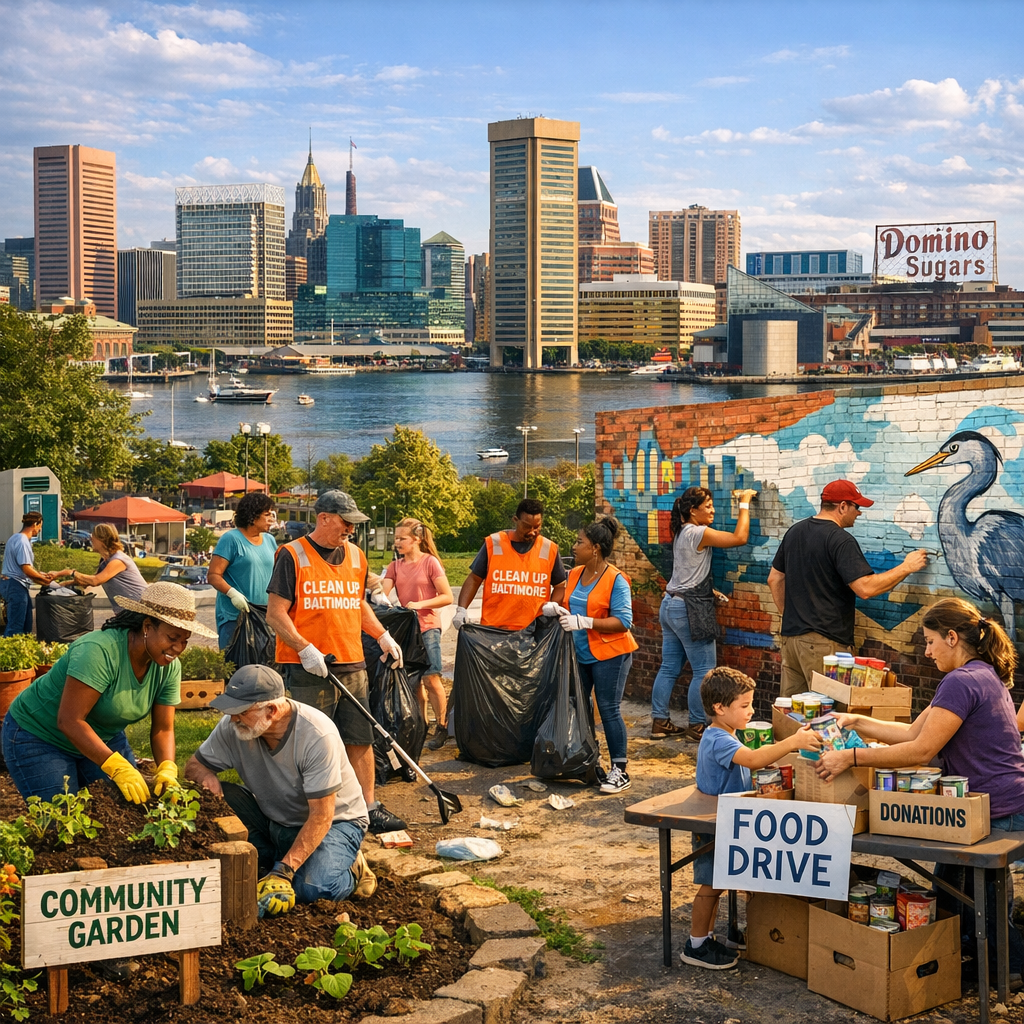
Baltimore, Maryland, has long been a city that embodies resilience and determination. In recent years, the city has faced challenges that mirror national issues, including crime rates and economic disruptions. However, through proactive local initiatives and strong community engagement, Baltimore is making significant strides in addressing these concerns.
Addressing Crime with Community-Centric Approaches
Crime has been a pressing issue in many urban areas across the United States, and Baltimore is no exception. However, the city has seen a notable decline in violent crime rates, thanks in part to comprehensive strategies that go beyond traditional law enforcement. By investing in historically neglected communities and addressing root causes such as poverty, mental health, and housing instability, Baltimore is fostering a safer environment for its residents. This holistic approach underscores the importance of community involvement in creating sustainable change.
Economic Resilience in the Face of Adversity
The collapse of the Francis Scott Key Bridge was a significant event that had the potential to severely disrupt Baltimore’s economy, particularly affecting the Port of Baltimore—a critical hub for national and international trade. The swift response from federal and state agencies, coupled with the resilience of the local workforce, ensured that the port’s operations resumed promptly, mitigating long-term economic impacts. This incident highlights the city’s ability to navigate and recover from unforeseen economic challenges.
Local Initiatives Making a National Impact
Baltimore’s proactive measures serve as a model for other cities grappling with similar issues. The city’s emphasis on community-driven solutions and rapid response to infrastructure challenges demonstrates the effectiveness of localized strategies in addressing broader national concerns. By focusing on the unique needs of its residents and leveraging local resources, Baltimore is not only improving its own landscape but also contributing valuable insights to the national discourse on urban resilience and recovery.
In conclusion, Baltimore’s experiences underscore the significance of community engagement and tailored local initiatives in tackling challenges that resonate on a national scale. The city’s journey offers valuable lessons in resilience, adaptability, and the power of collective action.